Introduction
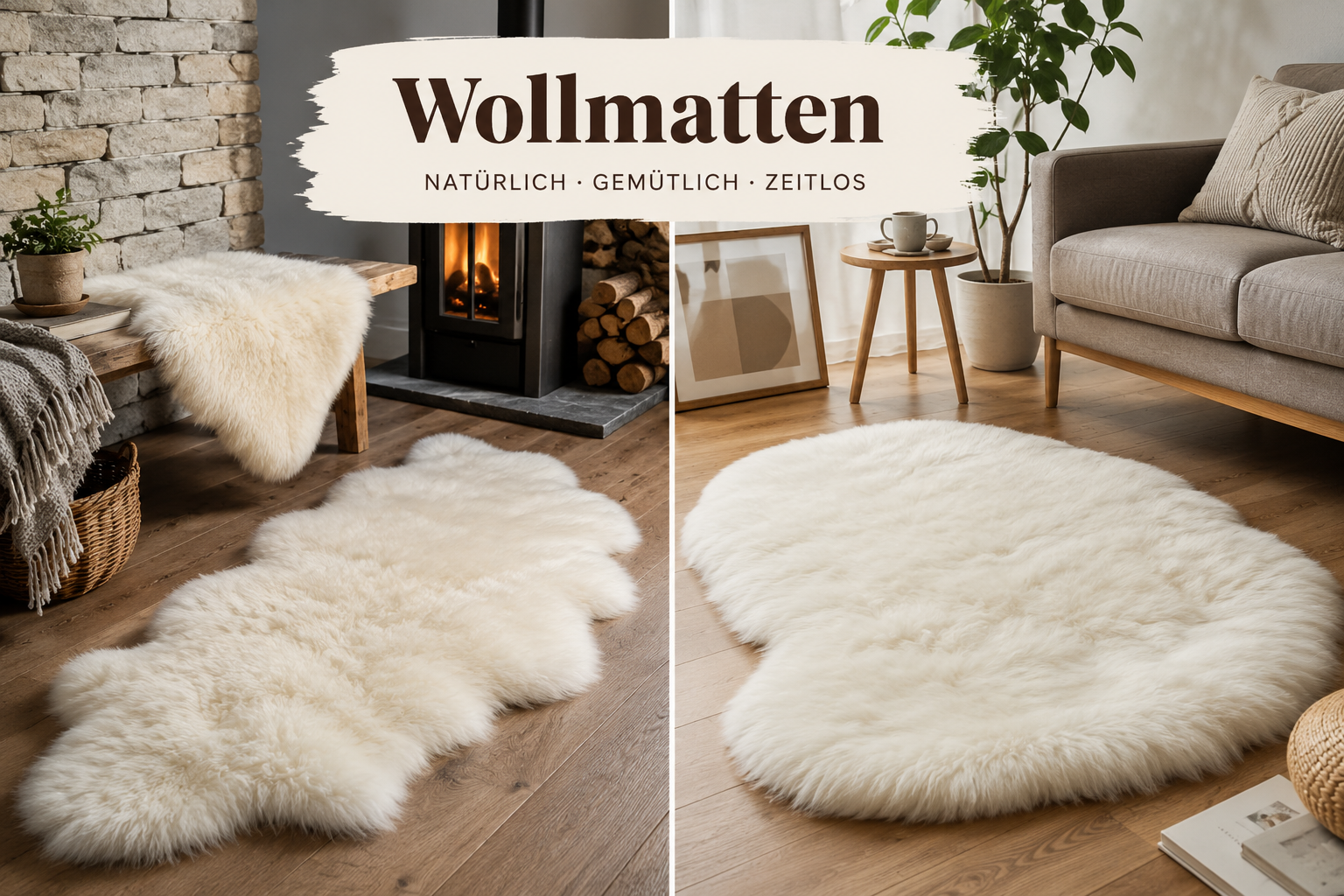
Wollmatten is a German term that translates to wool mats in English. It refers to mats and mat-like products made entirely or partially from wool, usually sheep’s wool. These products are valued for their natural warmth, softness, cushioning, insulation, and versatility. Depending on their construction, they can be used in homes, gardens, workplaces, buildings, and other environments.
Wollmatten are not limited to one particular design or product. Some are manufactured as decorative floor coverings, while others are produced as dense felt pads, protective surfaces, garden coverings, or specialized insulation materials. Their appearance, thickness, durability, and performance depend on the type of wool, manufacturing process, and intended application.
Interest in Wollmatten is connected with the growing appreciation of natural materials, traditional textile craftsmanship, and practical alternatives to certain synthetic products. Wool has been used for centuries to produce clothing, carpets, blankets, and other useful textiles. Modern manufacturing techniques have expanded its applications into technical and household products.
Understanding what Wollmatten means, how wool mats are made, their advantages, and their limitations can help consumers choose the right product for their needs.
Quick Information Table
| Category | Information |
|---|---|
| Main keyword | Wollmatten |
| English meaning | Wool mats |
| Language | German |
| Singular form | Wollmatte |
| Plural form | Wollmatten |
| Main material | Usually sheep’s wool |
| Product type | Wool-based mats and coverings |
| Manufacturing methods | Weaving, felting, pressing, needle-punching |
| Common uses | Flooring, insulation, gardening, crafts, decoration |
| Main advantages | Warmth, cushioning, moisture management |
| Natural properties | Elasticity, breathability, insulation |
| Waterproof | No, generally not waterproof |
| Maintenance | Depends on construction and manufacturer |
| Sustainability | Depends on wool content and additional materials |
| Main purpose | Comfort, protection, insulation, and practical applications |

What Are Wollmatten?
Wollmatten are mats manufactured using wool fibers. Most products in this category use sheep’s wool, although the exact composition varies between manufacturers.
The German word consists of two parts:
- Wolle: Means wool.
- Matten: Means mats.
Together, Wollmatten means wool mats. The singular form is Wollmatte, which describes one wool mat.
The term does not identify a specific company, patented invention, or standardized design. Instead, it describes a broad category of products with different constructions and applications.
For example, a decorative wool mat placed beside a bed is very different from a dense wool insulation product installed inside a building. Both may contain wool, but they are manufactured to perform different functions.
Are Wollmatten Always Made From Pure Wool?
No. Not every product described as a Wollmatte contains 100% wool.
Some manufacturers use pure sheep’s wool, while others combine wool with materials such as:
- Polyester fibers.
- Cotton.
- Natural latex.
- Rubber backing.
- Synthetic reinforcement.
- Adhesives and binding materials.
- Protective coatings and dyes.
These additional materials can influence the product’s strength, flexibility, durability, and maintenance requirements.
Anyone specifically looking for a completely natural wool mat should examine the full material composition before purchasing.
Background and History of Wollmatten
Wool has a long history as a useful natural material. People have relied on animal fibers for clothing, coverings, bedding, and household products for thousands of years.
Although Wollmatten is a German product term, wool mats are part of a much older textile tradition that developed across different cultures.
Traditional Uses of Wool
Historically, wool was used to manufacture:
- Blankets and bedding.
- Carpets and floor coverings.
- Clothing and protective garments.
- Felt products.
- Bags and storage materials.
- Household coverings.
Wool was particularly useful because it could be spun into yarn, woven into textiles, or processed into felt.
Development of Wool Felting
Felting is one of the oldest techniques for producing dense wool materials.
Unlike weaving, felting does not require fibers to be organized into interlocking threads. Instead, wool fibers are brought together through moisture, friction, pressure, and movement.
This causes the fibers to interlock and form a compact material.
Historical evidence documents felt production in ancient Central Asia, including archaeological examples dating back to the first millennium BCE. Felt was used for clothing, floor coverings, containers, and other practical products. Encyclopaedia Iranica+1
Modern Development
Modern textile manufacturing has introduced machinery and improved processing methods that allow wool to be transformed into different types of mats.
Today, wool-based materials can be produced for decorative, household, industrial, agricultural, and construction applications.
The development of standardized specifications has also made it possible to manufacture specialized sheep’s wool insulation products with defined material and testing requirements.
For example, ISO 17749:2018 specifies requirements for factory-made sheep’s wool mats and boards used for building thermal insulation. It was reviewed and confirmed in 2023 and remains current. Specification
What Materials Are Used to Make Wollmatten?
The material used in a Wollmatte determines its appearance, texture, performance, and durability.
1. Sheep’s Wool
Sheep’s wool is the most common material used in wool mats. It is a natural animal fiber made primarily of keratin, a protein also found in hair and nails.
Its natural structure provides several useful characteristics, including elasticity, moisture management, and temperature regulation.
2. Merino Wool
Merino wool comes from Merino sheep and is known for its relatively fine fibers.
It is generally softer than many coarser wool varieties, making it suitable for products where comfort and a smooth texture are important.
3. Recycled Wool
Some manufacturers use recycled wool fibers obtained from existing wool textiles or manufacturing waste.
Recycled wool can reduce the demand for newly processed raw material, although the final product’s environmental impact depends on collection, processing, transportation, and additional materials.
4. Wool Blends
Blended wool mats combine wool with other fibers to achieve particular manufacturing or performance characteristics.
For example, synthetic reinforcement may help improve structural stability, while a separate backing may provide additional grip.
The exact composition should always be checked before choosing a product.
How Are Wollmatten Manufactured?
The manufacturing process depends on the type of wool mat being produced. Some products require traditional textile techniques, while others use modern industrial equipment.
Step 1: Wool Collection
The process usually begins with collecting wool from sheep through shearing.
The fleece is selected according to fiber quality, length, thickness, and intended use.
Step 2: Cleaning and Washing
Raw wool can contain dirt, grease, vegetable matter, and other unwanted materials.
It is cleaned and washed to prepare the fibers for further processing.
Step 3: Fiber Preparation
After cleaning, the wool is separated and prepared through processes such as carding.
Carding helps organize and distribute the fibers, making them easier to process into yarn or felted materials.
Step 4: Manufacturing and Shaping
The prepared wool is transformed into a mat using a suitable manufacturing method.
Common methods include:
- Weaving.
- Felting.
- Needle-punching.
- Compression.
- Layering and bonding.
Step 5: Finishing
The final product may undergo trimming, shaping, coloring, backing application, or additional treatments.
The finished mat is then checked for dimensions, texture, material quality, and other specifications.
Different Types of Wollmatten
Wollmatten are available in different styles and constructions. Understanding these variations is important because each type serves a different purpose.
1. Felted Wool Mats
Felted wool mats are produced by joining wool fibers through moisture, friction, and pressure.
The result is a dense material that can be manufactured in different thicknesses and shapes.
Common applications include:
- Furniture protection.
- Craft projects.
- Protective padding.
- Decorative surfaces.
- Sewing and quilting work.
Their density and firmness depend on the manufacturing process.
2. Woven Wool Mats
Woven wool mats are created by interlacing yarns using a loom.
They are available in different colors, patterns, textures, and sizes.
These mats are commonly used in bedrooms, living rooms, offices, and other indoor spaces.
Their main appeal is the combination of natural material, decorative appearance, and comfortable texture.
3. Shaggy Wool Mats
Shaggy wool mats have longer fibers that create a thick and fluffy surface.
They are generally chosen for comfort and decorative purposes.
Popular locations include:
- Bedrooms.
- Living rooms.
- Reading areas.
- Relaxation spaces.
However, their longer fibers may collect more dust and require additional maintenance.
4. Wool Insulation Mats
Wool insulation mats are specialized construction materials designed to help reduce heat transfer.
They are manufactured in forms such as rolls, batts, and boards.
Typical applications include:
- Roof spaces.
- Wall cavities.
- Floors.
- Ceilings.
- Selected building insulation systems.
These products should meet relevant technical requirements and be installed according to manufacturer instructions. A decorative wool rug or household mat is not a substitute for certified building insulation.
5. Garden Wool Mats
Garden wool mats are designed for outdoor applications.
Depending on their composition and design, they may be used to cover soil, protect plant roots, or help manage moisture around plants.
Potential uses include:
- Mulching.
- Plant protection.
- Soil covering.
- Weed suppression.
- Gardening projects.
Not every indoor wool mat is appropriate for outdoor use. Garden-specific products should be selected for exposure to weather and soil conditions.
6. Acoustic Wool Mats
Some wool-based materials are manufactured for acoustic applications.
Their fibrous structure can absorb some sound energy and help reduce unwanted reflections within a room.
They may be used in studios, offices, recording spaces, and interior acoustic installations.
However, sound absorption and soundproofing are different things. A wool mat may help reduce echo without completely blocking sound from passing between rooms.
Main Benefits of Wollmatten
Wool has several natural properties that make it useful in different types of mats.
1. Natural Warmth and Insulation
One of the most recognized qualities of wool is its ability to provide warmth.
Wool fibers have a naturally crimped structure that creates small spaces containing air. This trapped air helps slow heat transfer.
As a result, wool floor coverings can make hard surfaces feel more comfortable, while purpose-made wool insulation products can help reduce heat loss in buildings.
2. Comfortable Surface
Wool mats can provide cushioning underfoot and make indoor environments feel more comfortable.
The level of softness depends on fiber quality, pile height, thickness, and density.
3. Moisture Management
Wool can absorb moisture vapor from the surrounding environment and release it as conditions change.
This characteristic helps wool manage humidity, but it does not make wool waterproof.
A wool mat exposed to excessive liquid water still needs appropriate drying and care.
4. Natural Elasticity
Wool fibers have natural elasticity.
They can bend under pressure and recover some of their original shape when the pressure is removed.
This contributes to the resilience of many wool textiles.
5. Sound Absorption
Fibrous wool materials can help absorb sound energy.
This makes certain wool-based products useful for reducing room echo and improving indoor acoustic comfort.
The actual performance depends on the material’s thickness, density, installation, and surrounding construction.
6. Natural Flame Resistance
Wool has relatively high natural resistance to ignition compared with several commonly used textile fibers.
It does not melt and drip in the same way as many thermoplastic fibers.
However, wool is not fireproof. Finished products may also contain materials that change their fire behavior, so relevant product testing and safety certifications remain important. IWTO+2
7. Renewable Material
Sheep produce new wool as their fleece grows, making wool a renewable natural fiber when sourced through responsible animal management.
However, the overall environmental impact of a finished Wollmatte depends on farming, processing, transportation, product lifespan, and its complete material composition.
Common Uses of Wollmatten
Wollmatten are versatile because wool can be processed into different forms.
Home Decoration
Decorative wool mats can improve the appearance of indoor spaces.
They are commonly placed beside beds, underneath small furniture arrangements, or in living areas.
Furniture Protection
Dense felted wool pads can be placed beneath furniture to help protect surfaces from scratches.
They can also reduce direct contact between hard furniture components and delicate flooring.
Building Insulation
Specially manufactured wool insulation mats are used in building assemblies to support thermal comfort.
Their installation must follow the product’s technical specifications and applicable building requirements.
Gardening
Outdoor wool mats can be used for soil covering and plant protection.
Their suitability depends on weather resistance, thickness, composition, and intended breakdown behavior.
Crafts and DIY Projects
Felted wool sheets and mats are useful in sewing, handmade decorations, craft projects, and protective applications.
Yoga and Meditation
Certain wool mats are used as comfortable surfaces for meditation and gentle wellness activities.
However, buyers should check their grip and stability. A decorative wool mat should not automatically be considered suitable for active yoga.
Wollmatten vs. Synthetic Mats
Wool mats and synthetic mats can serve similar purposes, but their material characteristics are different.
| Feature | Wollmatten | Synthetic Mats |
|---|---|---|
| Main material | Natural wool or wool blends | Manufactured fibers |
| Warmth | Naturally insulating | Depends on material |
| Comfort | Often soft and cushioning | Varies by construction |
| Moisture management | Absorbs moisture vapor | Varies by fiber |
| Elasticity | Naturally resilient | Depends on material |
| Water resistance | Generally limited | Some types are highly water-resistant |
| Environmental impact | Depends on sourcing and composition | Depends on manufacturing and disposal |
| Maintenance | May require gentle care | Often easier to clean |
| Appearance | Natural textile texture | Wide range of finishes |
Neither option is automatically better for every situation. Wool may be attractive for comfort and natural material properties, while synthetic products may be more practical where frequent washing, water resistance, or lower cost is important.
Are Wollmatten Environmentally Friendly?
Environmental considerations are one reason people explore wool-based products.
Wool is a renewable animal fiber, and pure untreated wool can biodegrade under suitable conditions.
However, the sustainability of a finished wool mat depends on several factors.
Renewable Raw Material
Sheep naturally grow wool, which can be collected through regular shearing.
Responsible sourcing and animal welfare practices are important considerations when choosing wool products.
Biodegradability
Pure untreated wool can break down naturally over time.
However, a finished mat containing synthetic backing, plastic fibers, adhesives, or chemical coatings may not be completely biodegradable.
Product Durability
A durable wool mat may remain useful for many years when properly maintained.
Longer product life can reduce the need for frequent replacement.
Responsible Manufacturing
Consumers can look for information about wool sourcing, manufacturing processes, material composition, and relevant environmental certifications.
It is better to evaluate the complete product rather than assuming every item made with wool is automatically sustainable.
How to Choose the Right Wollmatten
Selecting a suitable wool mat requires more than simply checking its appearance.
The following factors can help consumers make a better decision.
1. Identify the Intended Purpose
Start by deciding where and how the mat will be used.
For example, a decorative floor covering requires different characteristics from a construction insulation product.
2. Check the Wool Content
Read the material label carefully.
Look for the percentage of natural wool and identify any additional fibers, backing materials, or adhesives.
3. Consider Thickness and Density
Thickness and density influence comfort, firmness, insulation, and durability.
A thick decorative mat may feel comfortable underfoot, while a dense felt pad may be more appropriate for protecting furniture.
4. Examine Construction Quality
Check the stitching, fiber distribution, edges, backing, and overall finish.
A well-constructed product should be suitable for its intended application.
5. Review Cleaning Requirements
Different wool mats require different maintenance methods.
Some can tolerate gentle washing, while others require spot cleaning or professional care.
6. Compare Price and Quality
Price differences may reflect wool quality, product dimensions, manufacturing methods, and additional materials.
Compare products with similar specifications rather than selecting an option based on price alone.
7. Check Certifications for Technical Products
For building insulation, examine technical documentation, fire performance, thermal conductivity, and relevant standards.
ISO 17749:2018 is an example of a standard covering factory-made sheep’s wool mats and boards for thermal insulation.
How to Clean and Maintain Wollmatten
Proper maintenance can help extend the useful life of wool mats.
Because wool is a natural protein-based fiber, unsuitable cleaning methods can damage its structure.
Regular Dust Removal
Vacuum decorative wool mats gently to remove loose dust and dirt.
Avoid aggressive brushing or excessive suction, particularly on delicate or long-pile products.
Treat Spills Quickly
Use a clean absorbent cloth to gently blot liquid spills.
Avoid rubbing aggressively because this can push the liquid deeper into the fibers.
Use Suitable Cleaning Products
Use cleaning products specifically recommended for the type of wool mat.
Strong chemicals, excessive heat, and unsuitable detergents may damage the fibers or affect the color.
Dry Properly
Allow cleaned mats to dry completely in a well-ventilated area.
Avoid prolonged dampness, which can encourage unpleasant odors and damage.
Protect Against Moths
Natural animal fibers can be vulnerable to clothes moth larvae and other textile pests.
Keep wool products clean, inspect stored items, and use appropriate protective storage methods.
The International Wool Textile Organisation also recommends proper cleaning and storage to help maintain wool products over time. International Wool Textile Organisation
Disadvantages and Limitations of Wollmatten
Although wool mats have several useful qualities, they are not perfect for every environment.
1. Higher Initial Cost
Some high-quality wool mats are more expensive than comparable synthetic alternatives.
Their price depends on the wool type, manufacturing process, dimensions, and product design.
2. Limited Water Resistance
Wool can manage moisture vapor, but it is not waterproof.
Prolonged exposure to liquid water may create cleaning and drying problems.
3. Maintenance Requirements
Some wool mats require gentle cleaning and careful storage.
This may be inconvenient for people who prefer low-maintenance floor coverings.
4. Potential Fiber Shedding
Certain wool products may release loose fibers, especially when new or exposed to frequent friction.
The amount depends on construction and manufacturing quality.
5. Sensitivity to Improper Cleaning
High temperatures, aggressive chemicals, and unsuitable washing techniques can cause shrinkage, distortion, or fiber damage.
6. Not Suitable for Every Application
A decorative wool mat should not be used as a substitute for specialized construction insulation, industrial padding, or certified acoustic materials.
Choosing the wrong type can result in poor performance and unnecessary expense.
Latest Developments and Trends Related to Wollmatten
Wollmatten is a general material category rather than a specific brand with a centralized product release schedule. Therefore, there is no single official update history for the keyword.
However, several developments in wool processing and natural-material applications are relevant to modern wool mats.
Growing Interest in Natural Interior Materials
Consumers and designers continue to explore natural fibers for interior decoration.
Wool is valued for its texture, warmth, and ability to create comfortable indoor environments.
Improved Wool Processing
Modern manufacturing techniques allow wool to be processed into different densities, thicknesses, and textile structures.
This makes it possible to produce products for decorative and technical applications.
Recycled Fiber Applications
Recycled wool can be incorporated into certain textile products, helping manufacturers make use of existing fiber resources.
The final quality depends on fiber condition and processing.
Technical Wool Insulation
Specialized sheep’s wool insulation is an established building-material category with defined technical requirements.
ISO 17749:2018 remains a current specification following its 2023 review, providing an important reference point for this application. Specification
These developments demonstrate how traditional wool materials continue to find applications in modern manufacturing.
Frequently Asked Questions About Wollmatten
1. What does Wollmatten mean in English?
Wollmatten is a German word that means wool mats. It describes mats made entirely or partially from wool.
2. What is the singular form of Wollmatten?
The singular form is Wollmatte, which refers to one wool mat.
3. Are Wollmatten made from sheep’s wool?
Most Wollmatten are associated with sheep’s wool, although some products use wool blends or additional supporting materials.
4. Are Wollmatten suitable for home decoration?
Yes. Decorative wool mats can be used in bedrooms, living rooms, offices, and other indoor spaces.
5. Can Wollmatten provide insulation?
Yes. Wool has natural insulating properties. Specially manufactured sheep’s wool mats and boards can be used for building insulation.
6. Are Wollmatten waterproof?
No. Wool can absorb moisture vapor and repel some light moisture, but ordinary wool mats are not waterproof.
7. Can Wollmatten be used in gardens?
Yes. Certain products are manufactured specifically for garden applications, including soil covering and plant protection.
8. Are Wollmatten biodegradable?
Pure untreated wool is biodegradable. However, synthetic fibers, adhesives, coatings, and backing materials can affect the biodegradability of finished products.
9. How long do Wollmatten last?
Their lifespan depends on wool quality, construction, thickness, usage, and maintenance. A well-made mat used in an appropriate environment can remain functional for many years.
10. Can Wollmatten be washed in a washing machine?
Some products allow gentle machine washing, but others require spot cleaning or professional treatment. Always follow the manufacturer’s care instructions.
11. Are Wollmatten suitable for people with allergies?
It depends on individual sensitivities, the product’s composition, and how well it is maintained. People with known wool or dust sensitivities should check the material carefully before purchasing.
12. Are Wollmatten better than synthetic mats?
Neither is universally better. Wool offers natural warmth and moisture management, while certain synthetic mats offer better water resistance and easier cleaning.
Conclusion
Wollmatten refers to a versatile category of wool-based mats that combine traditional textile materials with practical modern applications. From decorative floor coverings and dense felt pads to garden coverings and specialized insulation products, wool mats are available in different forms to meet different needs.
Their popularity is connected with natural warmth, cushioning, elasticity, moisture management, and the versatility of wool fibers. They can improve indoor comfort, protect surfaces, support craft activities, and contribute to building insulation when manufactured specifically for that purpose.
However, Wollmatten also have limitations. They are generally not waterproof, may require careful cleaning, and can cost more than some synthetic alternatives. Their environmental benefits also depend on the complete material composition and manufacturing process.
The most important consideration is choosing the correct type for the intended application. By checking wool content, construction, thickness, quality, maintenance requirements, and technical specifications, consumers can make more informed decisions.
Overall, Wollmatten demonstrate how a traditional natural material continues to serve practical purposes in modern homes, gardens, crafts, and construction.
